
Special Needs Planning Attorney in San Diego
Attorney-Led Planning to Protect Benefits, Assets, and Long-Term Care for Your Loved One
Planning for a loved one with special needs is unlike any other kind of estate planning. The stakes are higher, the rules are more complex, and a single mistake, whether a poorly worded trust, an uncoordinated inheritance, or a misdirected gift from a well-meaning family member, can disqualify a beneficiary from the government benefits that form the foundation of their daily care.
Peaceful Warrior Law works with families throughout San Diego to build special needs plans that protect benefits, preserve assets, and provide a clear legal framework for the people who will eventually step in to provide care and oversight when parents and guardians can no longer do it themselves.
What Is a Special Needs Trust
A special needs trust is a legal arrangement that holds assets for the benefit of a person with a disability without disqualifying them from needs-based government programs such as SSI (Supplemental Security Income) and Medi-Cal. These programs have strict asset limits. A person who owns assets above those limits can lose eligibility entirely, even if the assets were intended to help them.
A properly drafted special needs trust solves this problem. Assets held inside the trust belong to the trust, not to the beneficiary personally. The trustee manages and distributes those assets to supplement the beneficiary's government benefits, covering expenses like education, therapy, housing modifications, recreation, and personal care items that government programs do not pay for.
The result is a beneficiary who retains access to essential public programs while also having access to additional resources that meaningfully improve their quality of life.
A special needs trust may be used to:
- Receive gifts, inheritances, or personal injury settlement funds
- Supplement, not replace, government benefits
- Provide resources for education, therapy, housing, and personal needs
- Fund transportation, recreational activities, and technology
- Establish continuity of financial management over time
Types of Special Needs Trusts
Not all special needs trusts are the same. The right type depends on where the assets come from and the beneficiary's specific situation. Getting this wrong has serious consequences for benefit eligibility.
Third Party Special Needs Trust
A third party special needs trust is created and funded by someone other than the beneficiary, typically a parent, grandparent, or other family member. Assets contributed by family members, including gifts and inheritances, go into this trust.
This is the most common type of special needs trust and the one most families need when planning ahead. A key advantage: when the beneficiary passes away, any remaining assets in the trust can be distributed to other family members or charities rather than being paid back to the government.
First Party Special Needs Trust (Self-Settled Trust)
A first party special needs trust, also called a self-settled trust or d4A trust, is funded with assets that belong to the beneficiary themselves. This typically applies when a person with a disability receives a personal injury settlement, an inheritance they receive directly, or assets from a divorce settlement.
A critical distinction: first party trusts include a Medi-Cal payback provision. When the beneficiary passes away, California Medi-Cal is entitled to reimbursement from the remaining trust assets for benefits paid during the beneficiary's lifetime before any remaining funds go to the family.
Pooled Special Needs Trust
A pooled trust is managed by a nonprofit organization that pools assets from multiple beneficiaries for investment purposes while maintaining separate accounts for each individual. This can be an option for beneficiaries who do not have a family member able to serve as trustee, or when the asset amount is modest.
Understanding which type of trust is appropriate for a specific situation requires legal guidance. Peaceful Warrior Law helps families identify the right structure before assets are transferred, because correcting a mistake after the fact is significantly more difficult and sometimes impossible.
Understanding which type of trust is appropriate for a specific situation requires legal guidance. Peaceful Warrior Law helps families identify the right structure before assets are transferred, because correcting a mistake after the fact is significantly more difficult and sometimes impossible.
ABLE Accounts in California
An ABLE account (Achieving a Better Life Experience) is a tax-advantaged savings account available to individuals who became disabled before age 26. ABLE accounts allow people with disabilities to save money without losing eligibility for SSI and Medi-Cal, up to the program's asset limits.
ABLE accounts can be used for qualified disability expenses including:
- Education and job training
- Housing and transportation
- Health and wellness expenses
- Assistive technology
- Personal support services
ABLE accounts are not a replacement for a special needs trust. They serve a different purpose and have different contribution and balance limits. For many families, an ABLE account and a special needs trust work together as complementary tools within a broader plan.
Planning for Parents, Guardians, and Family Members
One of the most consistent concerns Peaceful Warrior Law hears from families with a special needs loved one is the same: what happens when I am no longer here to advocate for them?
Special needs planning addresses this question directly. It creates a legal structure that can function without the parent or guardian who built it, with clear instructions, named decision-makers, and legally binding protections in place before they are needed.
This planning may include:
- Selecting a trustee and successor trustees who understand the beneficiary's needs and the rules governing the trust
- Coordinating guardianship or conservatorship considerations for beneficiaries who need ongoing legal protection
- Aligning the estate plans of parents and other family members so no inheritance or gift accidentally disqualifies the beneficiary from benefits
- Writing a letter of intent: a non-binding but deeply practical document that provides future caregivers and trustees with personal information about the beneficiary's daily life, preferences, medical history, and routines
The letter of intent is not a legal document. It does not replace the trust or the estate plan. But it is often the document that matters most to the people who step in later, because it tells them who the beneficiary actually is, not just what they are entitled to legally.
How Special Needs Planning Works With Estate Planning
Special needs planning cannot function in isolation. Every other estate plan in the family needs to account for the beneficiary with special needs, or the best-intentioned plans can cause serious harm.
The most common example: a grandparent leaves an inheritance directly to a grandchild with a disability. The inheritance is well-meaning and generous. It is also potentially disqualifying. A direct inheritance above the SSI asset limit can trigger a loss of benefits immediately, and the family may not realize what happened until the damage is done.
Integrated planning prevents this. When Peaceful Warrior Law builds a special needs plan, the goal is to make sure every connected piece is coordinated:
- The special needs trust is properly structured and funded
- Beneficiary designations on life insurance and retirement accounts are directed to the trust, not to the beneficiary directly
- Other family members' estate plans are reviewed and updated to leave assets to the trust rather than directly to the beneficiary
- Powers of attorney and healthcare directives are in place for beneficiaries who can legally execute them
- The overall plan accounts for what happens when the primary caregiver passes away or becomes incapacitated
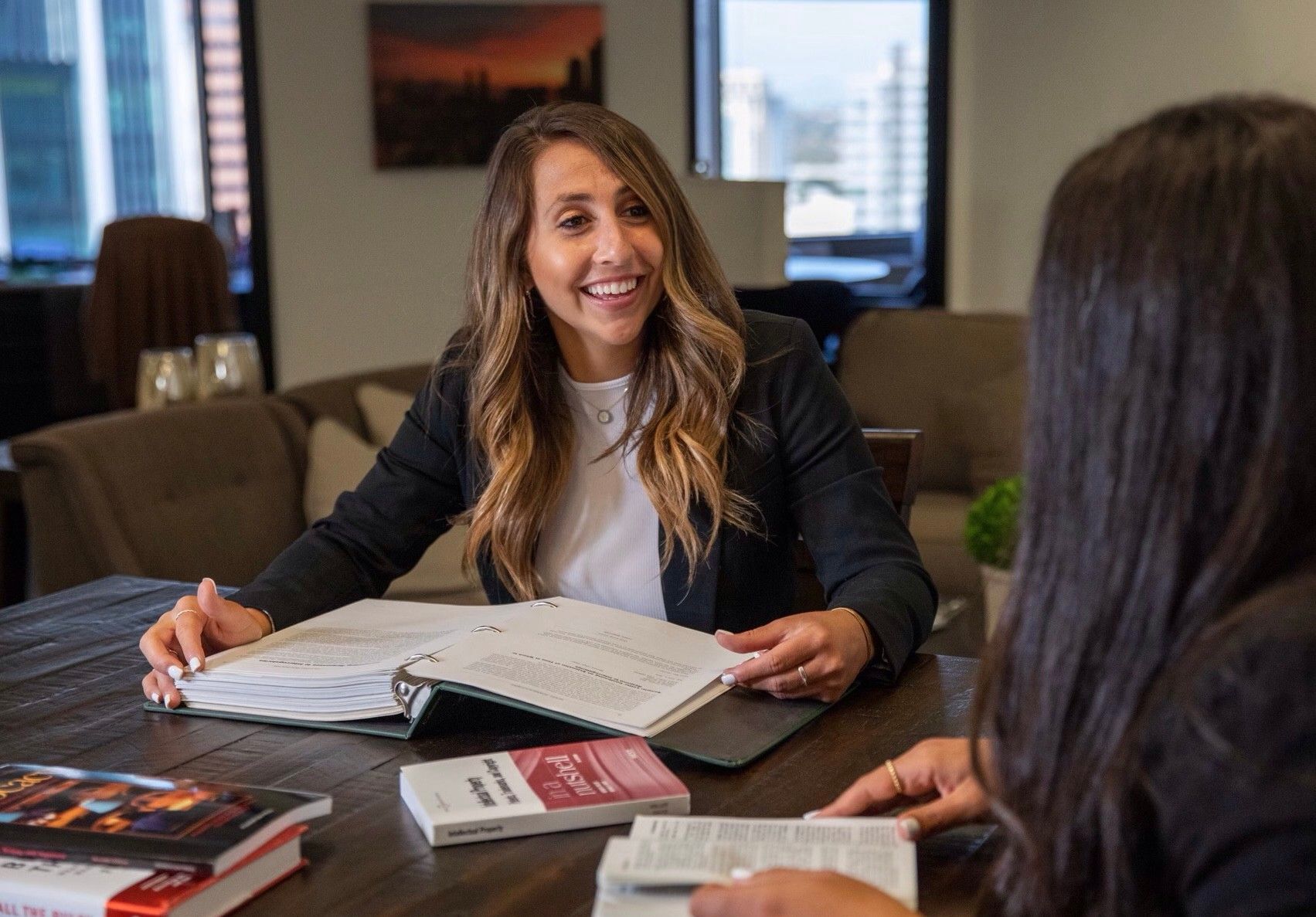
How Peaceful Warrior Law Approaches Special Needs Planning
Families who come to Peaceful Warrior Law for special needs planning are almost never starting from a place of calm preparation. Most are dealing with a combination of love, worry, exhaustion, and the specific fear that they have not done enough, or that what they have already done might not hold up when it matters most.
For one San Diego family, the question was whether an inheritance from a grandparent could be structured in a way that helped their adult daughter without disqualifying her from the Medi-Cal services she depended on for daily care. For another, it was a young couple with a child recently diagnosed with a developmental disability, trying to understand what planning needed to happen now versus what could wait.
Peaceful Warrior Law approaches every special needs plan with the same goal: build something that works for the beneficiary's real life, not just on paper. That means understanding the specific benefits the beneficiary currently receives, the assets the family has available, who is best positioned to serve as trustee, and what the family needs to know to keep the plan functioning correctly as circumstances change over time.
When Special Needs Planning Is Especially Important
Special needs planning should be a priority when:
- A child or adult relies on SSI, Medi-Cal, or other needs-based government benefits
- A family member has a physical, cognitive, or developmental disability
- A personal injury settlement, inheritance, or financial gift is anticipated
- Existing estate plans in the family do not account for a beneficiary with special needs
- A parent or primary caregiver is aging and wants to ensure continuity of care
- A beneficiary is approaching adulthood and transitioning out of school-based support services
Early planning provides more flexibility and stronger legal protection than planning done in response to a crisis.
Why Work With Peaceful Warrior Law
Peaceful Warrior Law approaches special needs planning with precision, care, and a clear understanding of how benefit rules intersect with estate planning. Every plan is built with direct attorney involvement from start to finish, with clear explanations of why each decision matters and how the plan functions over time, not just at the moment documents are signed.
Attorney Brittany Cohen is a member of the State Bar of California and focuses her practice on estate planning, elder law, and trust and
probate administration throughout San Diego County.
Frequently Asked Questions About Special Needs Planning
What is a special needs trust?
A special needs trust is a legal arrangement that holds assets for a person with a disability without counting those assets toward the eligibility limits for needs-based government programs like SSI and Medi-Cal. The trust is managed by a trustee who distributes funds to supplement the beneficiary's government benefits, covering expenses those programs do not pay for. When properly drafted, the trust allows the beneficiary to have access to additional financial resources without losing the public benefits that support their daily care.
Does a special needs trust replace government benefits?
No. A special needs trust is designed to supplement government benefits, not replace them. The trust covers expenses that SSI, Medi-Cal, and other programs do not pay for: things like education, therapy, recreation, transportation, technology, and personal care items. Distributions from the trust that duplicate what a government program already covers can sometimes reduce benefit payments, which is why trustee guidance and careful administration matter throughout the life of the trust.
Can family members contribute to a special needs trust?
Yes, with important distinctions depending on the type of trust. A third party special needs trust, which is the most common type used for advance planning, can receive gifts, contributions, and inheritances from family members. Assets contributed by family members do not trigger the Medi-Cal payback provision that applies to first party trusts. Family members who want to leave something to a beneficiary with special needs should direct those gifts to the trust rather than to the beneficiary directly, and their own estate plans should be updated to reflect this.
Should special needs planning be part of estate planning?
Yes, and this is one of the most important points for families with a special needs loved one. Every family member's estate plan needs to account for the beneficiary. A grandparent who leaves an inheritance directly to a grandchild with a disability, without understanding the benefit implications, can unintentionally disqualify that grandchild from the public programs they depend on. Coordinating the special needs trust with the broader family estate plan is essential to making sure well-intentioned gifts do not cause harm.
Is special needs planning only for children?
No. Special needs planning applies to individuals of any age who have a disability and rely on needs-based government benefits. Adult children with disabilities, adults who become disabled later in life, and individuals who receive a personal injury settlement or inheritance that could affect their benefit eligibility all benefit from special needs planning. The tools available, including the type of trust that is appropriate, may differ depending on the beneficiary's age, the source of the assets, and their current benefit status.
Protect the Future You Are Working So Hard to Build
A loved one with special needs deserves a plan that works as hard as you do. Peaceful Warrior Law helps San Diego families build legally sound special needs plans that protect benefits, preserve assets, and provide a clear path forward for the people who will carry this responsibility in the future.
Contact Peaceful Warrior Law to schedule a confidential consultation. There is no pressure to decide anything in the first conversation. Just a clear picture of what your family's situation requires and what a plan built around it actually looks like.